I like learning Czech songs as a study tool. I don’t remember who it was, but one of the Czech teachers I follow online said that learning songs is not very useful since people don’t actually talk like that. Sure, it wouldn’t be a good idea to only learn songs if your goal is to speak to people, but I don’t think that’s the only way to measure how useful a resource is. We remember songs, and they can hold deep meaning for us. Even though we don’t usually speak like a song lyric, remembering song lyrics means we’ll recognize those words when we hear them used out in the world, and building those connections is so important to memory.
Pronunciation and cadence are also important, though they seem to fall by the wayside in favor of meaning. However, it doesn’t help to know what a word means if if people can’t understand what you’re saying. Our mouths have muscles. Just like we need to lift weights to be able to lift heavy objects, we need to strengthen those mouth muscles we use in a foreign language that we don’t normally use in our native language. Song lyrics are typically written to have a flow to them, so they’re a little easier to say than normal speech. Often at least part of the song is too fast for me to say or understand, but then I work on it over and over, and soon I can hear the spaces between words, and eventually it sounds like a normal speed to me. It’s very exciting when this transformation happens!
I’m usually particular about the music I listen to. I tend to not like most mainstream pop music and lean towards alternative/indie rock, new wave, post punk, and shoegaze bands. It took me a while to find Czech music I liked. The one artist I love who I would have listened to even if I wasn’t learning Czech is Never Sol, but she sings in English, so I can’t use her songs as a study tool. Over time, I’ve found several Czech artists I enjoy, but it definitely took some exposure and effort for me to tune my brain to that wavelength.
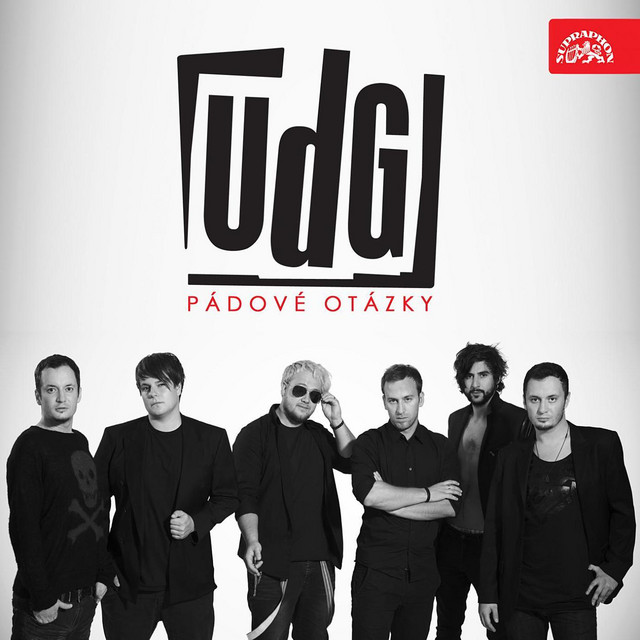
My Czech teacher Kristýna introduced the 2012 song “Pádové otázky” by pop rock group UDG (Useless Demi Gods) to us in class during a lesson about interrogative pronouns. The title literally translates to “Falling Questions,” and the lyrics are about the uncertainties of dating and falling in love. However, there’s another layer to the song, because the word for fall, “pád,” also means “case!” The chorus goes through all of the declined forms for “who” and “what,” so if you memorize the chorus, you’ll always have an interrogative pronoun declination chart in your head. It’s pretty rare for pop songs to have an educational double meaning!
| Case | Who | What | Chorus |
| první pád | kdo | co | Kdo co? |
| druhý pád | koho | čeho | Koho čeho? |
| třetí pád | komu | čemu | Komu čemu? |
| čtvrtý pád | koho | co | Koho co? |
| pátý pád | — | — | — |
| šestý pád | kom | čem | O kom o čem? |
| sedmý pád | kým | čím | Kým čím? |
| Další pasti líčím / Na ta srdce dívčí |
When I first heard the song, I didn’t like the singer’s voice. His singing style reminded me of North American pop punk bands like Blink 182 and Sum 41, which I actively don’t like. The song was catchy, though, and I knew I would struggle with declining interrogative pronouns, so I figured it was worth my while to memorize the lyrics. The song is a real brain worm, and now I regularly sing and dance along to it in the car on my way to work. The lyrics and YouTube video are below; this song will get stuck in your head!
Kdo co je můj první pád?
Koho čeho měl jsem se bát?
Komu čemu teď chceš být blíž?
Koho co mi prozradíš?
Slyšíš
Kolik mám pádových otázek
když padám tak chci pravdu znáát
mám jede osobní dotázek:
S kým s čím teď budeš spát?
Kdo co dvořil se jak páv?
Nad kým čím jsem rukou máv?
Komu čemu jsem se jen smál?
O koho co se málo bál?
Teď vím
Kladu si pádové otázky
skládám je do těžkopádných vět
skloňuji lásku bez lásky
každopádně vrať se mi zpět!
Kdo co?
Koho čeho?
Komu čemu?
Koho co?
O kom o čem?
Kým čím?
Další pasti líčím
Kdo co?
Koho čeho?
Komu čemu?
Koho co?
O kom o čem?
Kým čím?
Na ta srdce dívčí
Kdo co skvělou formu má?
Komu čemu růže natrhá?
O kom o čem už se povídá?
S kým vším si začíná?
Neoslovuji ani nevolám
ráno mizím jména nepoznáám
jenom někdy vzpomínám
když padám tak ke hvězdám
Kdo co?
Koho čeho?
Komu čemu?
Koho co?
O kom o čem?
Kým čím?
Další pasti líčím
Kdo co?
Koho čeho?
Komu čemu?
Koho co?
O kom o čem?
Kým čím?
Na ta srdce dívčí
Kdo co?
Koho čeho?
Komu čemu?
Koho co?
O kom o čem?
Kým čím?
Další pasti líčím
Kdo co?
Koho čeho?
Komu čemu?
Koho co?
O kom o čem?
Kým čím?
Na ta srdce dívčí
 Emily Barney
Leave a comment